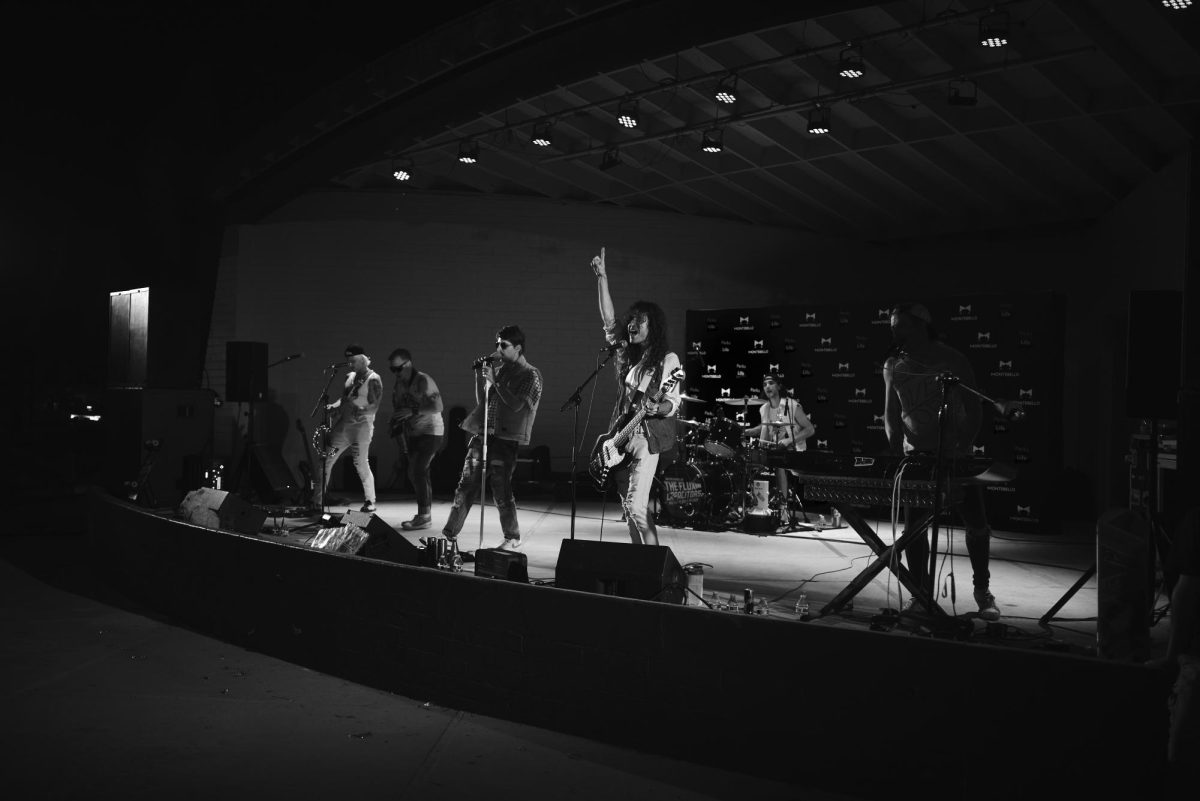
The show must go on. So when Ozzy Osborne accidentally bit the head off a real bat on stage, he just kept singing.
From the late 1960s through the 1990s, rockstars weren’t just expected to play music. Drinking, drugs, and outrageous stunts were just as much a part of the act. Anyone willing to push the limits was rewarded for it. But the nonstop pressure of fame had its way of catching up.
“Have you ever heard the expression ‘break a leg?” Axl Rose asked the crowd after a live performance. “Well, I think I just did.”
In the world of classic rock, anything could happen—and that’s exactly what audiences counted on. Jimi Hendrix once set his guitar on fire, and The Who were notorious for smashing their instruments during shows. Gun’s N’ Roses were known for their wild antics and live-show riots, their frontman leaping into the audience so recklessly he once broke his foot. Off stage, Keith Moon, of The Who, allegedly drove his Rolls Royce into a pool, while members of Led Zeppelin tore through hotel hallways on their motorcycles. Hotel rooms were regularly trashed with furniture flying out of windows.
But it wasn’t all fun and games. Keith Moon’s reckless driving, often fueled by heavy drinking, led to multiple crashes and near-disasters, including one incident where he accidently ran over and killed his own driver. Jim Morrison’s heavy drinking and drug use often landed him in dangerous run-ins with the law and multiple arrests. And, when firing at a coke bottle in his room, an intoxicated Jerry Lee Lewis accidentally shot his own bassist in the chest.
Drugs and alcohol became a way for musicians to cope with the intensity of their lives. Aerosmith’s Steven Tyler spent around $2 million on cocaine. Bob Dylan admitted that he used drugs “just to keep going.” Johnny Rezeznik of The Goo Goo Dolls explained that, with alcohol, he, “didn’t have to deal with anything that [he] was afraid of, which was everything.” David Bowie once said, “The only kinds of drugs I use (…) are ones that keep me working for longer periods of time.”
The constant presence of these substances led to several close calls. Guns N’ Roses’ Slash was clinically dead for eight minutes, while an alcohol induced pancreatitis nearly killed fellow band member Duff McKagan. “I was fortunate” Slash says, “I didn’t die.” Some took these experiences and turned their lives around. But others never did.
Jimi Hendrix and Janis Joplin both died of drug overdose at 27, and Jim Morrison succumbed to alcohol and drugs at the same age. AC/DC’s Bon Scott died at 33 from alcohol poisoning. Keith Moon, known for his antics, died at 32 from a prescription drug overdose, the same thing that would kill Tom Petty years later. After years of addiction and depression, Kurt Cobain added another name to the notorious “27 club” when he took his own life. For many, a rockstar life meant an early death.
For decades, drugs and alcohol were a part of the rock ‘n’ roll image. Although they are no longer glorified as they once were, these substances never left the music industry. The culture may have changed, but the pressures of constant touring, relentless public attention, and the demand to outdo the last performance still remain. We may celebrate the music, but we often overlook the human beings behind it. The art is immortal, but the artist is not.
“Most of the people I drank with are dead” says Ozzy Osborne. “It’s not a happy ending.”