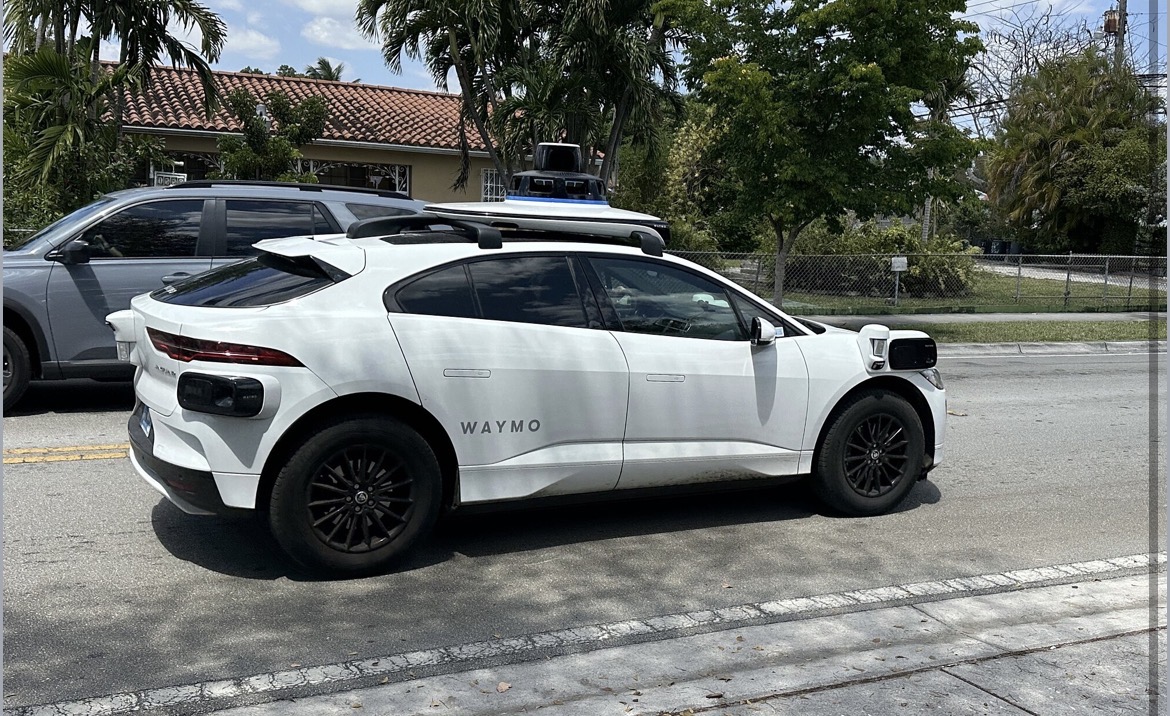
The amount of driverless cars now in the streets have increased as technology advances. One specific company, Waymo, is a specific example of the driverless cars that can be identified across the Bay Area, especially San Francisco. Many people have been noting issues now and then with driverless cars. From December 20th to the 23rd in 2025, a power outage in San Francisco caused a large traffic jam of Waymo cars.
On December 20th at around 1:00 PM, PG&E (an electric company) noted that the power outage began, affecting roughly one-third of San Francisco. They said the cause of the incident was from a fire that broke out at Mission Street substation. With the power out, this caused the traffic lights to shut off which highly affected Waymo cars in the area. The cars began stopping at lights which led into a large traffic jam. Some videos recorded by bystanders showed Waymo cars lined up behind each other. In certain areas, these cars were seen to be in a big cluster. During this time, Waymo paused their service and had to pull all their cars over and park each of them to be able to send them back to their depots. The power outage had lasted for 3 days and finally ended on the morning of the 23rd, as PG&E worked to return power to their customers.
Waymo cars itself are designed to gather information about its surroundings to avoid as many incidents as possible. The car has Light Detection and Ranging (LIDAR) that are all over the car to use laser pulses to determine the distances of objects as shown on their website. These sensors, AI, and other features allow the car to navigate signs around it including traffic lights and determine the colors of the lights. So during the power outage, the cars weren’t able to detect the colors, leading it to be confused and stopping. Waymo responded to this incident by listing ways they plan to improve their cars for possible future incidents. On their website they mentioned, “We are analyzing this event, and integrating the lessons learned from this week’s PG&E outage.” They plan to update their cars to be prepared during incidents and make alternative navigating decisions. Additionally, they are working with first responders and San Francisco’s Mayor Lurie’s team to develop plans to understand how to handle issues with Waymo cars in other future incidents.
Many people in San Francisco shared video of the incident online over social media and the news. In these videos some people found the situation to be entertaining while some people online expressed their skepticism towards the situation. In a video by @chii_rinna, one individual joked that the cars were having a standoff. The video reveals a few Waymo cars that seem to hit each other, blocking the whole road. The individual in the video mentioned how he wasn’t able to leave his garage because of this. There are many other examples of issues encountered with Waymo cars. In another video from a previous traffic incident that had occurred around a year ago by @aifluxchannel, regular cars were seen to be having to drive around the Waymo cars which were frozen in a line. On the other hand, some people in the comment sections from videos criticize Waymo with some arguing the inefficiency of driverless cars saying that they would be more efficient if a human were driving them. In an ABC7 video, a TV journalist riding a Waymo car for the first time, the car was seen to be pausing a green light for a short period of time before driving ahead.
After the incident, Waymo has continued its service around San Francisco. Though Waymo’s statement promises improvement, many are left unsure about driverless cars. Waymo and other forms of artificial intelligence are never guaranteed to be perfect. As driverless cars expand, issues can still occur in the future.