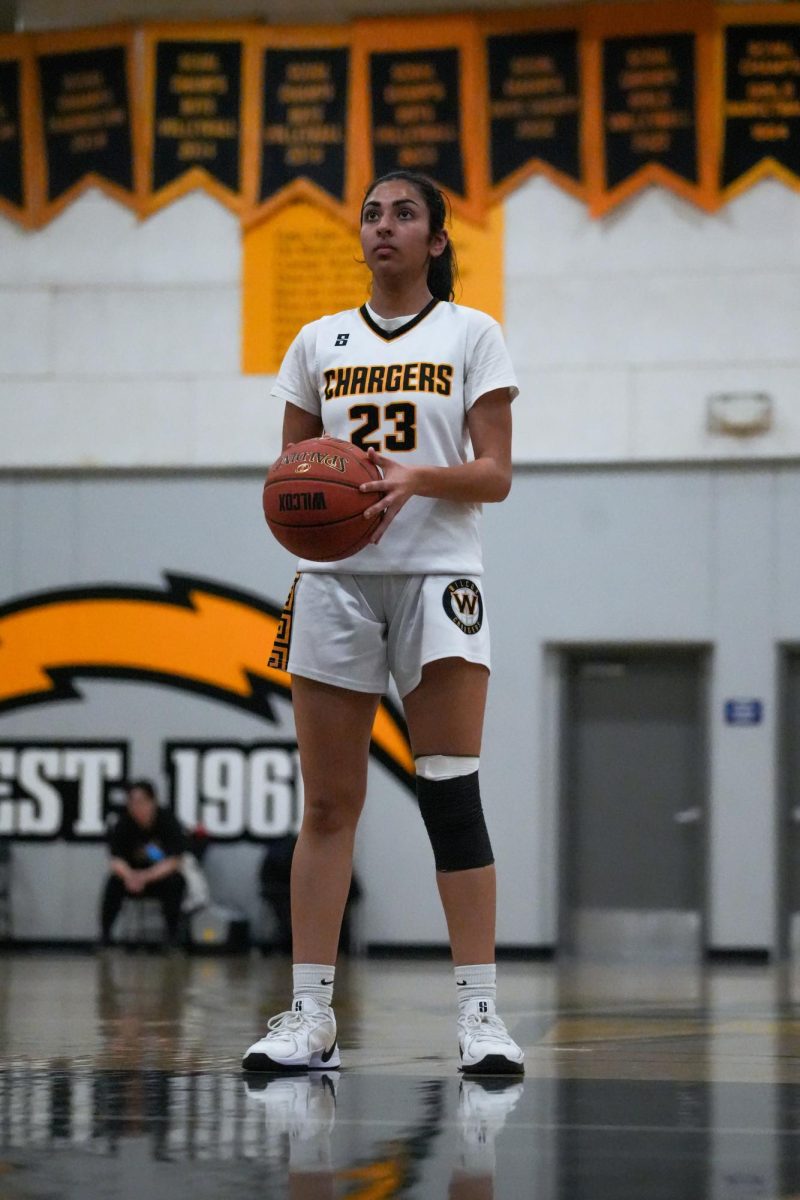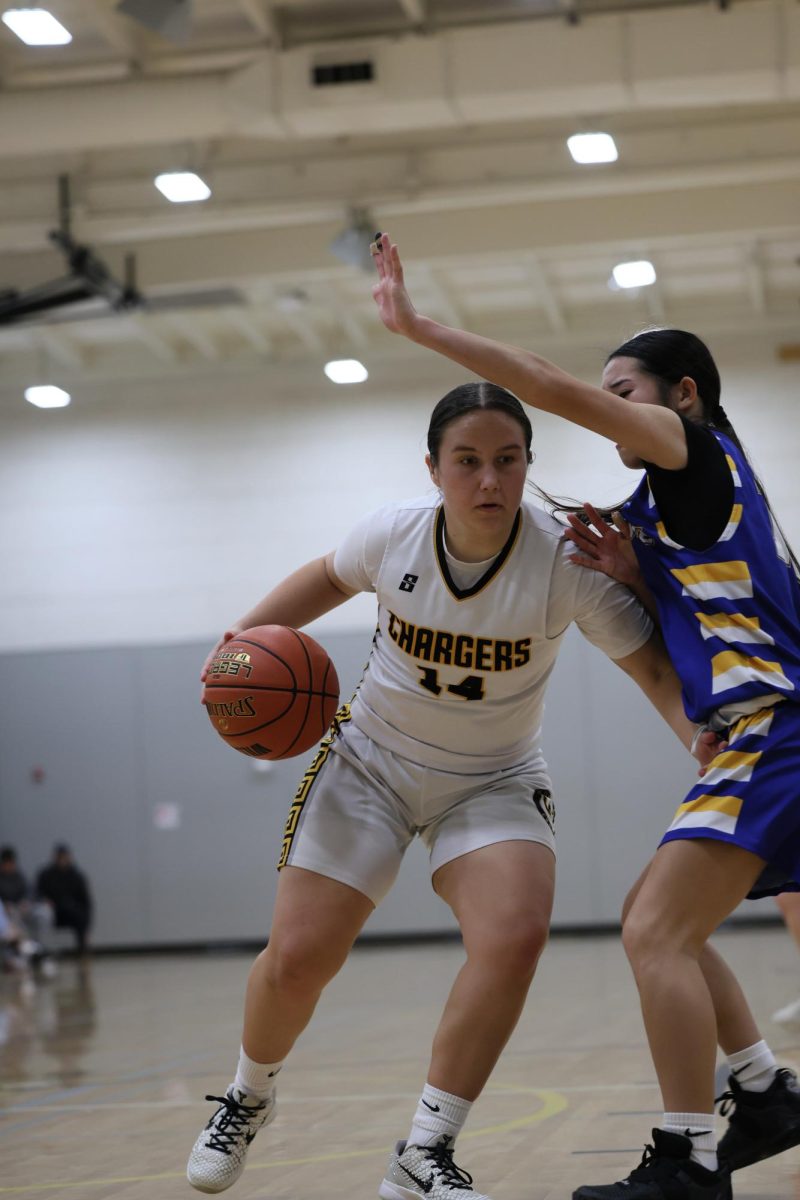
If you have noticed a decline in enrollment in your Physical Education (PE) class this year, you aren’t wrong: many kids are opting out of PE by taking a sport. This school year saw the beginning of a policy allowing students to opt out of a semester of Course II PE for every season they participate in a school-sponsored California Interscholastic Federation (CIF) sport. The SCUSD School Board instituted the exemption after many student athletes and their parents argued sports already takes up lots of time in their day, and PE unnecessarily adds on to that. PE teachers and coaches, however, expressed concerns that the exemption would lead to cuts to PE teachers and worsen athletics.
Many student athletes advocated for the exemption last school year due to the amount of time that sports take up. “PE feels unnecessary when you’re doing sports outside or inside of school,” explains swimmer Anika Sainani, one of these advocates, explaining that athletes “are already working two hours a day … so an hour of PE feels like I could be doing something better.” Sainani recounts how she and other swimmers helped convince the school board to adopt the exemption late last school year, noting how they spoke to the school board and sent out emails and a form asking athletes if they would like the exemption. There were also many PE teachers who showed up to the Board meetings to speak out against the exemption, as noted by both Sainani and Mr. Rosa, a Wilcox PE teacher, Athletic Director, and the former Head Football Coach.
Sainani notes how the exemption gives back time to student athletes, since the hours for practice “are hard hours … I have to be there, but at school, everything shifts around” and the time needed for homework each day can change. Now, “the PE [exemption] gives back more school time.” However, Mr. Rosa expresses concerns that the decrease in Course II PE enrollment puts PE teachers and thus the school’s sports program at risk—91 students applied for the exemption, according to Vice Principal Ms. Rothstein. “If you don’t have to take PE,” Mr. Rosa explains, “then you don’t need teachers to teach it.” The maximum size for a PE class is 44 students—according to the teachers’ union contract from 2022 to 2025—meaning that the 91 students who applied this year equates to approximately 0.4 FTE (Full Time Equivalency), which is actually two fifths of a full time teaching position. Mr. Rosa further notes that “when you lose a PE teacher, it’s not just a teacher” you’re losing, “it’s a coach.” He provides the example of PE teacher and former football coach Mr. Freitas, who retired last year and has not been replaced due to the PE exemption, and claims Santa Clara High School may lose two PE teachers, “which could be four if they coach four sports” in total.
PE classes not only lose teachers but have to make other changes, as standards covered over the course of two years are now all crammed into freshman year, according to Mr. Rosa. He also emphasizes that PE is essential to health as it introduces students to many sports. “I’ve had kids who did volleyball and PE and then they do it” as a sport. “Or weight training and then in the class. But if you don’t get introduced to it [because of the exemption], how are you gonna do it?”
Sainani, however, disagrees with this line of thought. “The curriculum is not too big to fit in one year, because you don’t need pickleball in your curriculum. You need to teach people how to run and how not to drown.” The effects of the PE exemption in our school district are already being seen, but its entire impact on sports, athletes and PE is yet to come, and its future will certainly be hotly debated.