An epidemic is sweeping the nation– one consisting of steady neurological atrophy from the hippocampus onto the cortex, widespread reduction in motor skills, and severe memory loss. Alzheimer’s Disease is the sixth leading cause of death in the United States, and the number of cases is largely increasing. There are an assortment treatments designed for symptomatic management: like Lecanemab– an IV infusion therapy that reduces amyloid plaques, and cholinesterase inhibitors like Galantamine, which prevents the breakdown of the neurotransmitter of acetylcholine. In comparison, the MIND diet is a lifestyle alteration that addresses the root causes of neuroinflammation and oxidative stress rather than symptoms.
But what is the MIND diet? Also known as the Mediterranean-DASH Diet Intervention for Neurodegenerative Delay, it pulls from the most successful aspects of the Mediterranean and Dietary Approaches to Stop Hypertension (DASH). The former was officially developed after researcher Ancel Keys noted the relationship between low levels of heart disease and a number of southern Mediterranean countries, like Italy and Greece. In 1958, Keys launched the Seven Countries Study, which unveiled that high saturated fat intake, and thus hyperlipidemia, is a major contributor towards heart disease. The combination of high vegetable intake for fiber and antioxidants, extra virgin olive oil offering cellular membrane protection and polyphenols, and protein and omega-3s from fish– Mediterranean staples harkening back to Minoan and Roman societies– all contributed to improved cardiovascular health and metabolic management.
The DASH diet was created as an empirically-based method to treat hypertension without the use of a drug. Johns Hopkins researcher Dr. Lawrence Appel led the investigation with the help of Pennington Biomedical’s Dr. George Bray, Dr. Donna Ryan and Dr. Catherine Champagne, publishing their results in the 1997 New England Journal of Medicine. DASH aims, in addition to the treatment of high blood pressure, to increase potassium and magnesium levels, while lowering sodium intake to between 1500-2300 mg/day. As sodium raises blood pressure by forcing the body to retain excess water, potassium balances that by helping the kidneys process that sodium and acting as a vasodilator. As a result, those on the DASH diet are advised to consume multiple servings of fruits and vegetables (for potassium) as well as nuts and leafy greens for magnesium that assists with muscle relaxation and cardiac potassium transport. According to the American Heart Association’s assessment, the DASH diet is the top “heart-smart” dietary plan, lowering stroke rates by 27% and heart disease risk by 15% in the original study, along with a decrease in cholesterol and LDL.
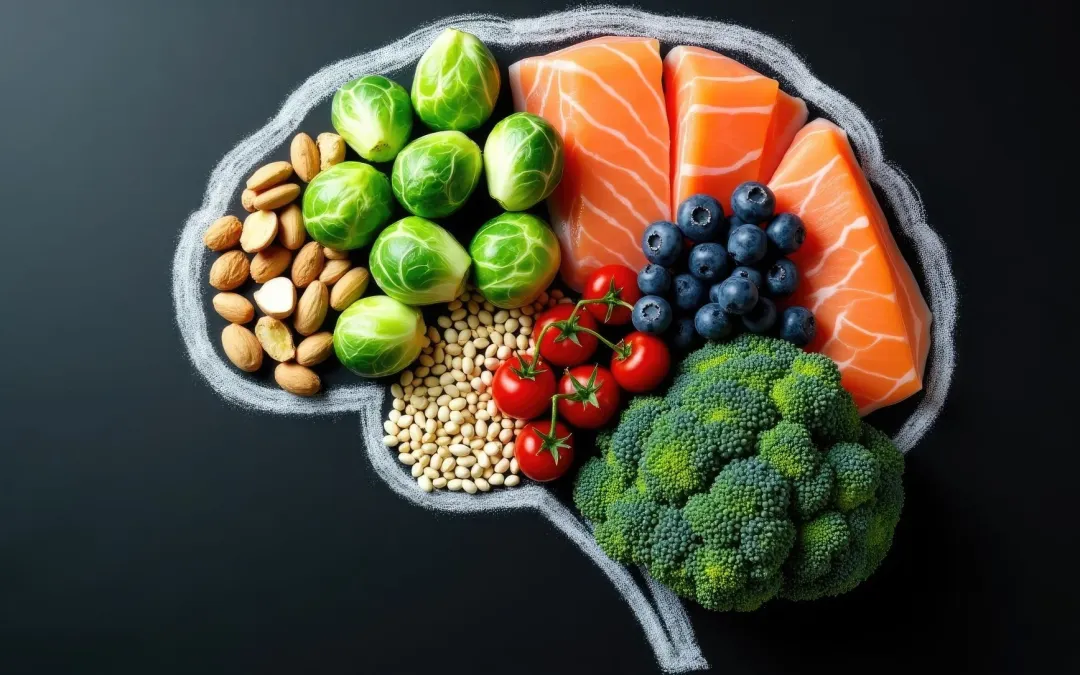
The MIND diet recommends ten specific foods and encourages the limitation of five others. First, green leafy vegetables like broccoli and kale are high in things like Vitamin K, flavonoids, and folate, which act as antioxidants that reduce inflammation. Neuroinflammation can lead to synaptic damage and neuronal death, resulting in steep cognitive decline. The consumption of other vegetables is recommended as well for fiber and vitamins A and C; these provide necessary nutrients to support the brain’s metabolism. Berries like blueberries and strawberries are also high in flavonoids and the antioxidant ellagic acid. These prevent cognitive aging by combating oxidative stress and inflammation. Nuts offer a variety of healthy fats, vitamin E, and magnesium, offering long-lasting energy and protecting neural cells from damage by boiling cell membranes and insulating myelin sheaths. Beans and legumes such as lentils and chickpeas provide not only protein but also fiber, iron, and phosphorus. This food category reduces LDL as the high fiber beans bind to cholesterol in the digestive system, in addition to aiding in blood pressure regulation via potassium and magnesium. It’s also important to note that the MIND diet is not anti-carb, in fact, it promotes the consumption of complex carbohydrates like quinoa and brown rice. These not only lower inflammation rates with their high levels of fiber and polyphenols, but also offer essential protective nutrients like vitamins B and E. Fish like salmon and tuna are also on the MIND-approved list for the omega-3 fatty acids and protein they offer. One omega-3, DHA, has been known to strengthen brain tissue and preserve neuronal membranes. Regular consumption of fish has also been tied to larger hippocampus and frontal lobe volume, which reduces the risk of Alzheimer’s. Poultry also falls under the beneficial protein group category, providing lean proteins and the vitamin B12. B12 reduces homocysteine (an amino acid) levels, which is linked to brain atrophy, and maintains the strength of white matter, which supports communication between different parts of the brain. Penultimately, extra virgin olive oil combats the production of amyloid-beta plaques and strengthens the blood-brain barrier. Finally, red wine offers key antioxidative polyphenols like resveratrol that reduce inflammation and promotes waste reduction, although moderation is key for this element.
On the other hand, these five foods are strictly limited on the MIND diet due to their potential for vascular damage and inflammation. Butter (limited to <1 tbsp per day), cheese (limited to <1 serving per week), and red meat (limited to <4 servings per week) all increase LDL cholesterol levels and directly contribute to the formation of amyloid-beta plaques, a key aspect of Alzheimer’s. Red meat also possesses Neu5GC, which is a sugar molecule not naturally produced in the human body and thus not able to be processed. As Neu5GC is integrated into the tissues, it triggers immune responses that result in chronic inflammation called xenosialitis; this is tied to increased cancer and cardiovascular disease risks. Pastries and fried foods (limited to <1 serving per week) can accelerate cognitive decline by causing high inflammation and reducing the size of key memory regions, like the hippocampus. Sweets (limited to <4-5 servings per week) are not only dangerous for their fat but due to their possession of added sugar, which can cause rapid insulin spikes. These jumps can cause inflammation and decrease amounts of Brain-Derived Neurotrophic factor (BDNF) which is critical for memory and brain plasticity.
Overall, consuming these foods in combination rather than individually has a significantly greater effect on driving forces of cognitive decline, namely inflammation and oxidative stress. For example, simply eating a green salad with an olive oil dressing can increase the vitamin E absorption from the vegetables, with the fat acting as a transporter to adipose tissues and cell membranes. In the words of Changzheng Yuan, a professor at Zhejiang University School of Medicine, “People who adhered more closely to the MIND diet seemed to show slower structural brain ageing over about 12 years of follow-up.”