Rants:
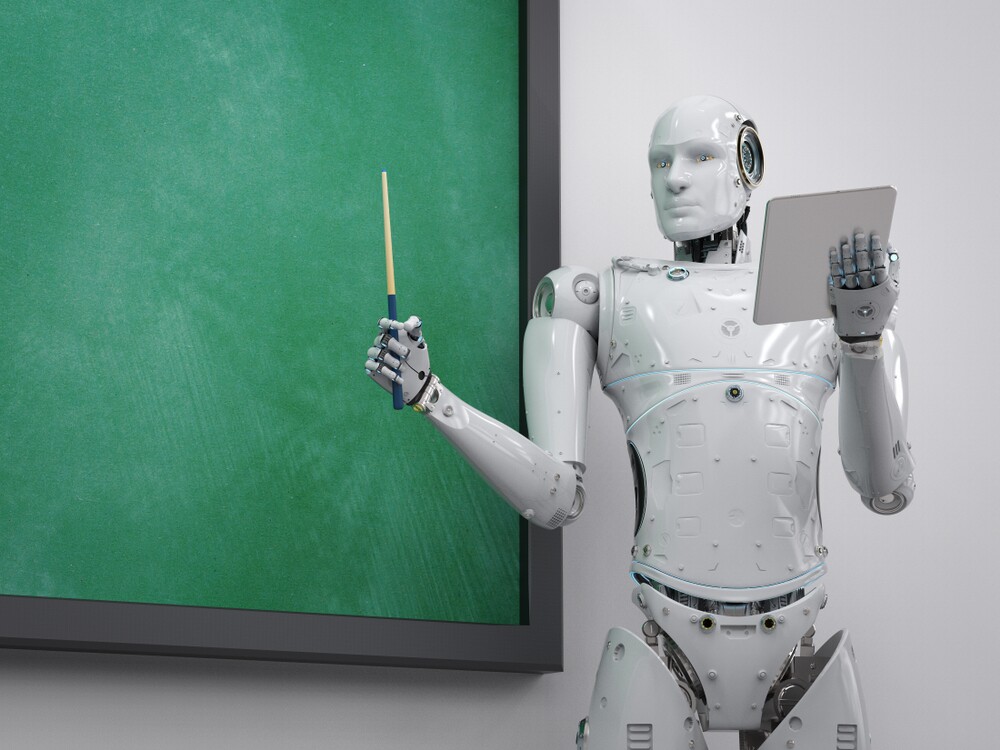
AI Teachers:
There is something kind of ridiculous about teachers going on and on about how students should never touch AI, and then turning around and very obviously using it themselves. I’m talking full-on AI generated assignments and feedback. Random words bolded and italicized for no reason, overuse of em-dashes and ellipses, AI-style formatting, over-the-top subtitles no teacher would ever bother to write. No wonder teachers assume their students are copy-pasting wholesale from AI, when they’re doing it themselves. At least students try to hide it. Here’s a tip: if you’re going to generate an assignment with ChatGPT, maybe don’t leave the words “source=ChatGPT.com” in the links. It’s a bit hard to take the “academic integrity” speech seriously when the worksheets we’re getting are literally signed by the robot that made them.
Beyond blatant hypocrisy, there is a reason teachers should not invite AI to do their jobs. If I wanted an AI agent to teach me, I could just stay in bed with my laptop. I don’t think we are at the point where AI can or should replace teachers…yet.
Blocked Websites:
School computers blocking websites is supposed to be protective, but mostly it feels inconsistent and annoying. Trying to do schoolwork and being blocked at every turn is uniquely frustrating. You try to search something or open a link for an assignment and get hit with a “access denied” page like you’ve done something wrong for trying to complete your work. And half the time it’s not even justified. I understand why I’m not allowed to search up “murder” but why can’t I search up “wikimedia commons”? And why are half the videos on YouTube blocked? The entire AP European History Crash Course, for example. Which, last I checked, was educational.
Even what could be considered as justified doesn’t really make sense in practice, especially when the rules are applied too broadly. I know that drugs are bad, but I still should be able to search them up in certain contexts. Say, for example, writing an article on the dangers of drugs. In that case, blocking effectively adds time and limits perspective. Often, blocking makes work impossible to do well on school time, forcing students to complete assignments at home on their own time. If the point is to support learning, then constantly getting in the way of it seems counterproductive.
Funny how our access to information is being blocked by the same institutions that constantly preach to us about the dangers of censorship.
Mainstream Modern Music
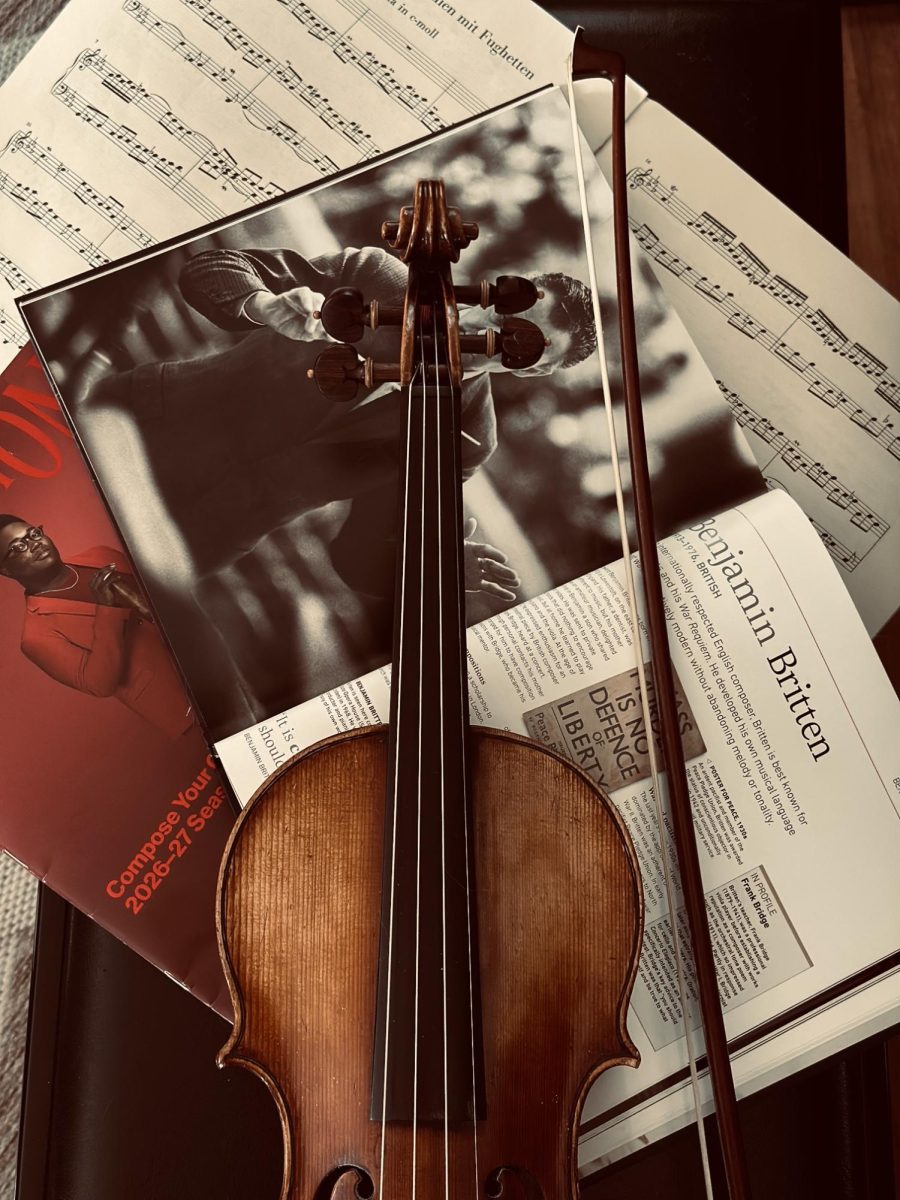
I hate Taylor Swift. Of course, not just her—I hate most of the mainstream modern pop artists. But to me, her name is one very popular example of all the problems with the direction music has taken in the last 25 years. Her songs—that basically amount to “my boyfriend dumped me and I’m sad about it”—are prime depictions of the increasing self obsession in modern songwriting and the production of cheap, “relatable” lines that prioritize commercial appeal over real complexity. And this isn’t just my opinion. According to the Smithsonian, it has been scientifically proven that popular songs have become more homogenous, simpler in chord structure, and louder. In many cases, mainstream tracks often deal with simpler emotions, like sadness or anger. Over the years we’ve lost the layers that used to exist in even the simplest songs. Take the song “Hotel California,” for example. You could interpret it as anything from a critique of consumerism to a metaphor for addiction, but we can all agree that it’s probably not about an actual person who gets stuck in a hotel. Mainstream modern music, on the other hand, is very direct. It’s easy to interpret, and the listener doesn’t have to do any work. This isn’t to say that there aren’t exceptions or that this oversimplicity can’t make a good song, but generally, songs today will never compare to the greats of earlier eras.
Raves:
Chocolate:
Chocolate makes everything better. Unless, of course, you’re someone who hates chocolate, in which case you’re entitled to your opinion, but I will never understand you. But, for us sane people, chocolate is the solution to every problem. Stressed out? Chocolate. Depressed? Chocolate. Celebrating? Definitely chocolate. The dark moments feel just a little less tragic, and the great moments feel just a little brighter. There’s a reason chocolate has been worshipped for centuries. You can eat chocolate anywhere, it’s practical and it’s indulgent, it’s simple and it’s decadent, it’s small and overwhelming, it’s ordinary and extraordinary.
Rain:
The sun and blue skies are usually the metaphor for happiness, yet that kind of weather often is associated with the worst, sluggish and most unhappy feelings. It’s when the sky is dark and the air is cool that you feel the most alive, when rain turns a dry, boring world into something beautiful.
Rain is underrated. Watching people bring out their umbrellas for the tiniest drop of water saddens me. It’s seen as an inconvenience when it’s really quite the opposite. I’m never one for stopping and smelling the roses, but when they fall from the sky, they’re pretty hard to ignore. You don’t have to stop for rain; you can go about your busy life and get to see just how pretty the world can be without losing a second.
Group Work:
Ah, group work—that magical time where 80% of the work is done by 20% of the people. Where everything somehow comes together in a beautiful display of teamwork where everyone contributes “equally” in their own wonderfully unconventional ways. Or, in even better situations, an exceedingly self-assured leader generously takes it upon themselves to edit all the work, leaving the rest of the group in the pleasant position of quietly watching their contributions get polished into something they can barely recognize. Often, this “brilliant” leader does this so thoroughly that no one else can bring themselves to claim credit for it. And ultimately, everyone gets graded equally, because nothing says fairness like equal reward for very unequal participation.