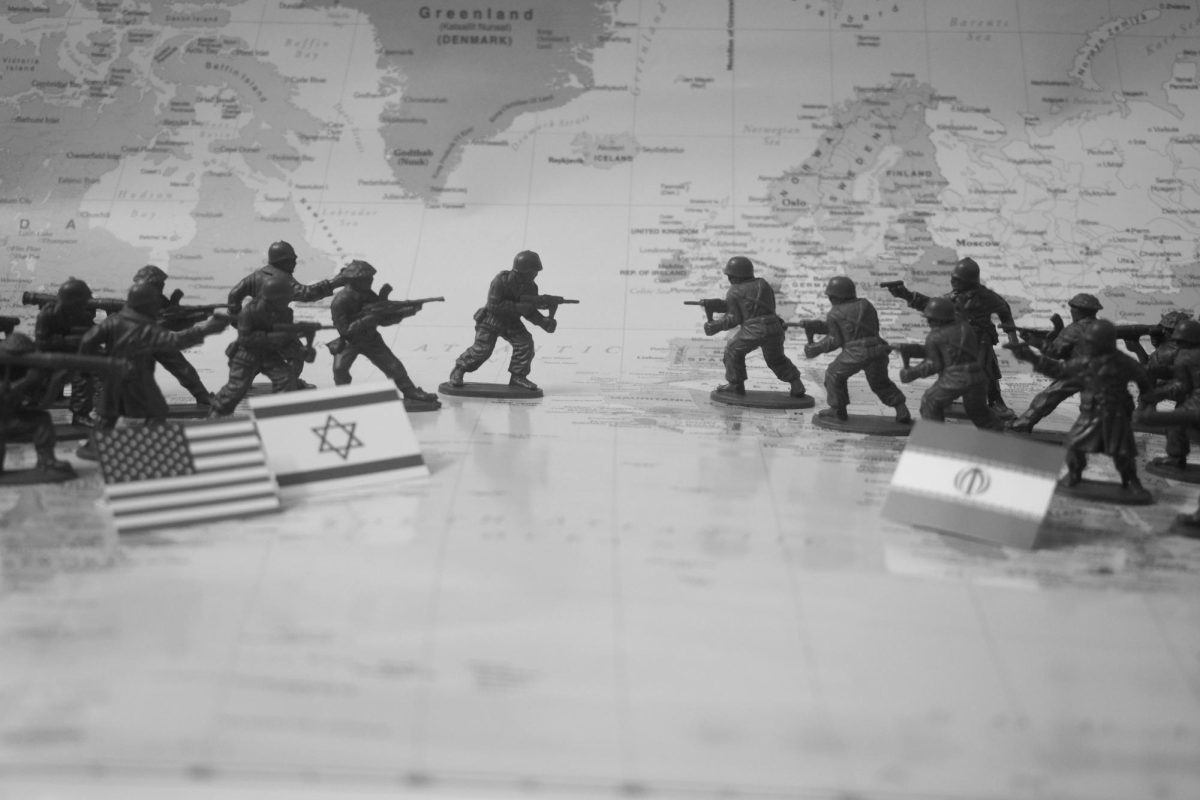
On October the 13th 2025, Israeli Prime Minister Benjamin Netanyahu and President Donald Trump announced that Hamas has agreed to the implementation of an official ceasefire for Israel’s nearly two year ongoing war in Gaza. For Israel, the first part of the ceasefire deal would see the release of the remaining hostages – both dead and alive – alongside with the return of troops deployed to fight in the war. For the Palestinians, the ceasefire would see the return of thousands of prisoners, an end to Israel Defense Force (IDF) military surveillance, and the allowance of aid into Gaza. After the completion of these first steps, following procedures would address disarming Hamas and implement an international armed force to oversee deals concerning the governing of the Gaza territory.
Since the announcement of the ceasefire, all 20 of the remaining living Israeli hostages have been released by Hamas while 250 Palestinian prisoners have been released out of the agreed upon two thousand. As captives are reunited with their loved ones, joy can be felt from both sides of the conflict, although Palestinians have been warned that the IDF “will not tolerate any inciting celebrations” via air-dropped leaflets and IDF spokesman, Avichay Adraee. The reality for civilians stuck in the fighting, however, is the feeling that this ceasefire has come painfully late.
For the families of the 83 Israeli hostages that have passed away – unable to be rescued during Israel’s two year long military campaign – grief is a constant. Additionally, bodies of deceased hostages still held by Hamas have no guarantee of returning home. Currently, search teams from both the Red Cross and Egypt are aiding Hamas in the still ongoing search for deceased hostages.
The return of remains is a time sensitive issue, current delays caused by a late start of the ceasefire is causing difficulties. Considering that further steps in the peace plan are postponed until all bodies are recovered, it raises concerns as to why a ceasefire was not implemented sooner to avoid these hurdles – especially when hostage bodies have been brought up before. In an interview with CNN, Barbara Leaf, negotiator for the Israeli-Palestine war and Assistant Secretary of State for Middle Eastern Affairs under President Joe Biden,“[Hamas] have not had control over all the hostages,” meaning “it’s far more likely they recover all the living hostages.”
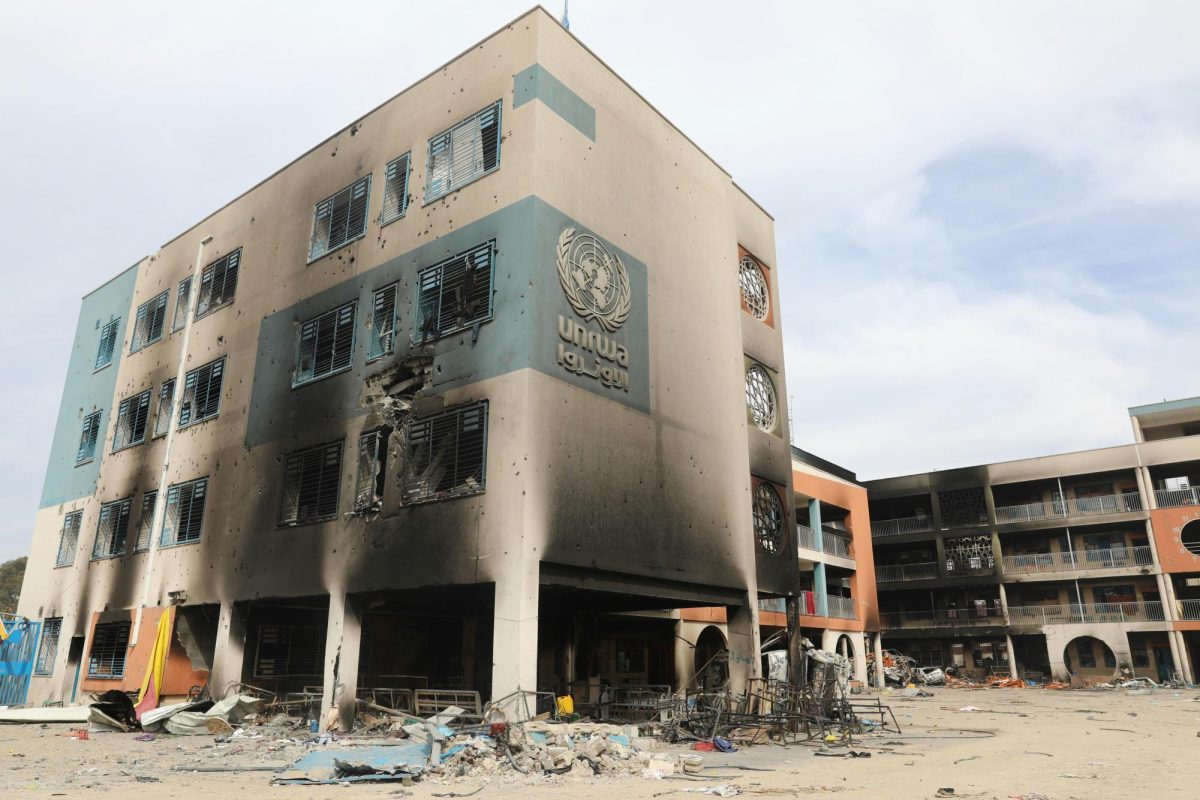
On the side of Palestinians the war has brought in staggering death tolls. According to the Gaza Health Ministry’s October the 7th 2025 report, 67 thousand have been killed thus far, with a staggering 30% of those deaths being children – this statistic only accounts for identified people, excludes malnutrition, and disease related deaths meaning the toll could well be more.
Although the agreed upon deal was that there would be an immediate end to attacks, Israel has continued military attacks within Gaza. On October the 29th, Israel carried out a deadly strike during the ceasefire killing over 100 people.
Furthermore, despite the ceasefire stating that aid would be let into Gaza, ameliorating the situation, supplies are being prevented from entering. As reported by news outlet Aljazeera, United Nations chief Antonio Guterres reports that UN had witnessed aid collection was “limited” due to “rerouting ordered by the Israeli authorities.”
Malnutrition has already inflicted the populations of Gaza, making the access of supplies crucial. In an interview with the Associated Press, World Health Organization surgeon, Mohammad Adeel Khaleel, described the situation in Gaza as dire, stating that “the degree of weight loss, post-operative complications and starvation that we’re seeing. That wouldn’t surprise me at all if it was called famine.”
Patients that are coming into Gazan hospitals have come in with weight loss as extreme as 136 pounds to an unsurvivable 77 pounds – such as in the case of Karam Akoumeh. There are no medical supplies to combat starvation as well. Akoumeh’s father stated that throughout Gaza he failed to find supplements to help with his son’s condition, stating “I checked throughout all Gaza’s hospitals for it (the supplements), but I have not found any.”
With food support restricted, the quality of living will only decline in Gaza with starvation becoming continually widespread and disease ravaging the already weakened population. Lack of access to medical supplies will decrease the chances of survival even more as people are unable to seek adequate support.
The ceasefire is only helpful to a limited degree when the agreements planned are not being met. In this case, said agreements are also part of actually ending the war. With deaths continuing to pile up and lives at stake on both sides of parties involved, it is apparent that a ceasefire is not a sufficient solution to ending the ongoing destruction of life.