In The Hunger Games, rich people bet on which child will survive a televised fight to the death. As far-fetched and gruesome as that premise sounds, it’s not as far from reality as it seems. Prediction markets now allow people to bet on real-world events that include war and death.
Prediction markets are online sites that allow people to bet on everything from ‘Will it rain tomorrow?’ to ‘Will the US invade Iran by the end of 2027?’ The popularity of these sites has soared recently, with sites such as Polymarket and Kalshi doing billions of dollars in business. This growth has fueled fierce debate. Proponents argue that these sites are valuable forecasting tools, whereas critics say they are gambling of the worst kind.
Prediction markets allow people to place monetary bets on real-world events. For example, a current bet on Polymarket is: “Will the US confirm that aliens exist by December 31?” A person can buy “Yes” shares for 18 cents each and “No” shares for 83 cents each. If the prediction comes true, Yes shares are worth $1.00 each, which means they net an 82 cent profit. If the prediction does not come true, No shares earn a 17 cent profit. The leftover penny from the combined Yes and No prices goes to the betting site. The price of a Yes bet gives an estimate of an event’s probability. And, yes, that means that bettors currently believe that there is an 18% probability that the US will confirm the existence of aliens by the end of the year. Other example bets include the number of Tweets that Elon Musk will produce in the next week and what will Trump say this week.
Gambling is illegal in many states, so that raises the question: How are these sites legal? Proponents argue that prediction markets are “financial instruments” rather than gambling. Proponents point out that, unlike traditional gambling, prediction markets do not act as the “house” taking the opposite side of a bet, meaning they don’t control the odds and therefore can’t stack the odds in their favor. This makes them more like the stock market than a casino, they contend. Unlike gambling, they argue, prediction markets can also be used to hedge against risk, like a type of insurance. For example, if a farmer is worried about drought, they could buy shares that would pay out if rainfall dips too low. If they lose money on crops, they win money on the bet which mitigates their losses.
Proponents of these sites point to many benefits. Investors, companies, media outlets, and policy makers all rely on accurate predictions about the future to make good decisions. While traditional polls can give some of the same information, people may be more honest when money is at stake. “People don’t lie when money’s involved. You want to be right about your predictions so you don’t lose money,” says Tarke Mansour, who co-founded Kalshi in 2018, in an article in the New York Times. Indeed, prediction markets correctly favored a Trump win in the 2024 election, whereas traditional polls showed the race as a toss-up. In fact, this success helped trigger the recent growth in prediction markets. Polls also offer only brief snapshots in time, whereas prediction models are continuously updated as new people place bets.
But critics argue that prediction markets are nothing more than thinly disguised gambling. Gambling is heavily regulated because it has known harms: people can become addicted and can lose large sums of money leading to financial ruin. Prediction markets involve “the same psychological mechanisms as highly addictive slot machines” and they “turn forecasting into continuous play, and instant loss-chasing, ” write Nizan Packin and Sharon Rabinovitz in an article in Science magazine. While stock markets also involve risk, it is possible for everyone to benefit if a company does well. In contrast, prediction markets are a zero-sum game; for every winner, there is a loser.
Stock markets also have clear laws prohibiting insider trading; this is when people use privileged knowledge to gain an unfair advantage. While prediction markets have taken some steps to prevent insider trading, these rules are harder to enforce since betting is anonymous. And the consequences are potentially more dire. For example, there have been several cases of large bets placed within hours of major US military actions, such as the capture of Venezuela’s president Nicolas Maduro in January. A bet like this could reveal military secrets, thereby compromising national security and soldiers’ lives. In fear of this exact scenario, the US Senate recently voted unanimously to ban senators and their staff from using prediction markets.
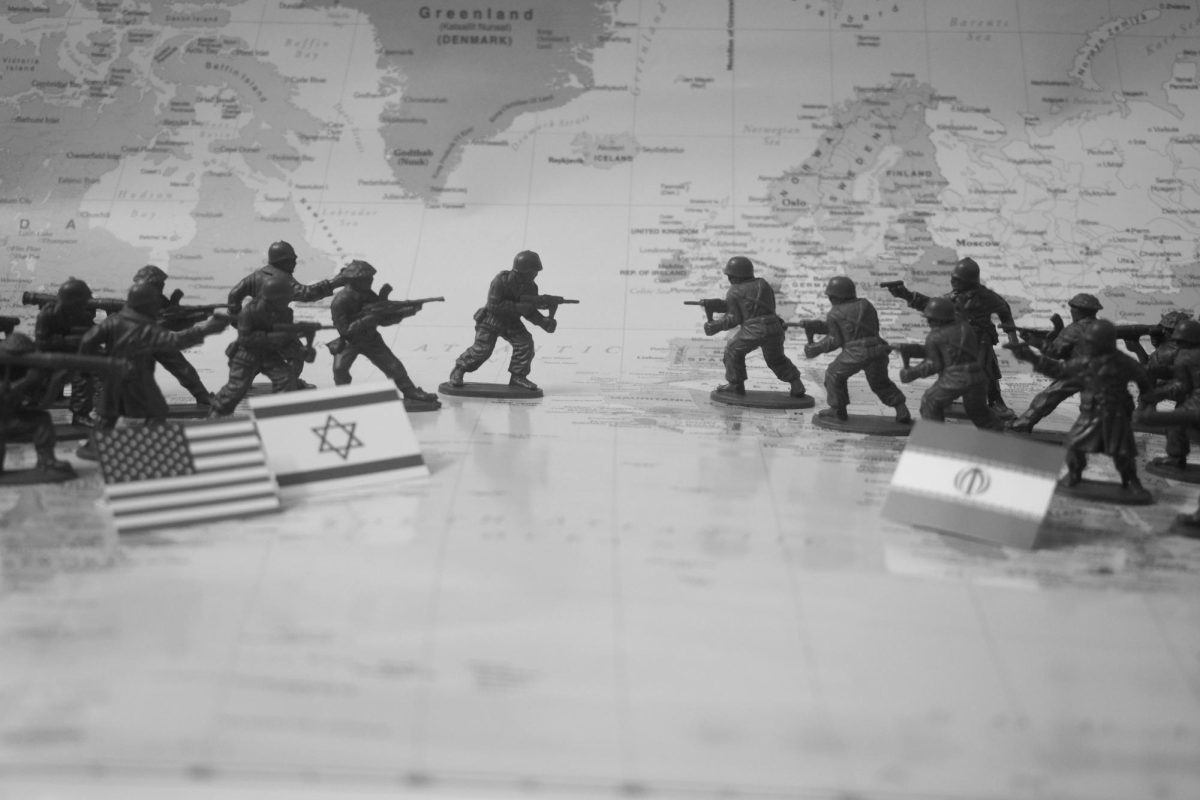
Another issue is that the act of creating a bet on a prediction market can actually change the outcome of that event. For example, when the CEO of the company Coinbase, Brian Armstrong, noticed that people were betting on the content of his next earnings call, he said in that call: “I was tracking the prediction market about what Coinbase will say on their next earnings call, and I just want to, you know, add here the words Bitcoin, Ethereum, blockchain, staking, and web3.” While word choice is relatively innocuous, imagine if someone in power places a large sum on the start of a war; they then might be motivated to make sure the war starts. Also, there is something disturbing about the idea of betting on tragic events such as wars, assassinations, and terror attacks.
Ultimately, whether prediction markets remain legal in their current form is anyone’s bet. A series of court cases are making their way through the US legal system that will likely decide whether these platforms are treated as financial instruments or as gambling. How the courts rule may tell us a lot about ourselves, about how far we’re willing to go to make a buck.