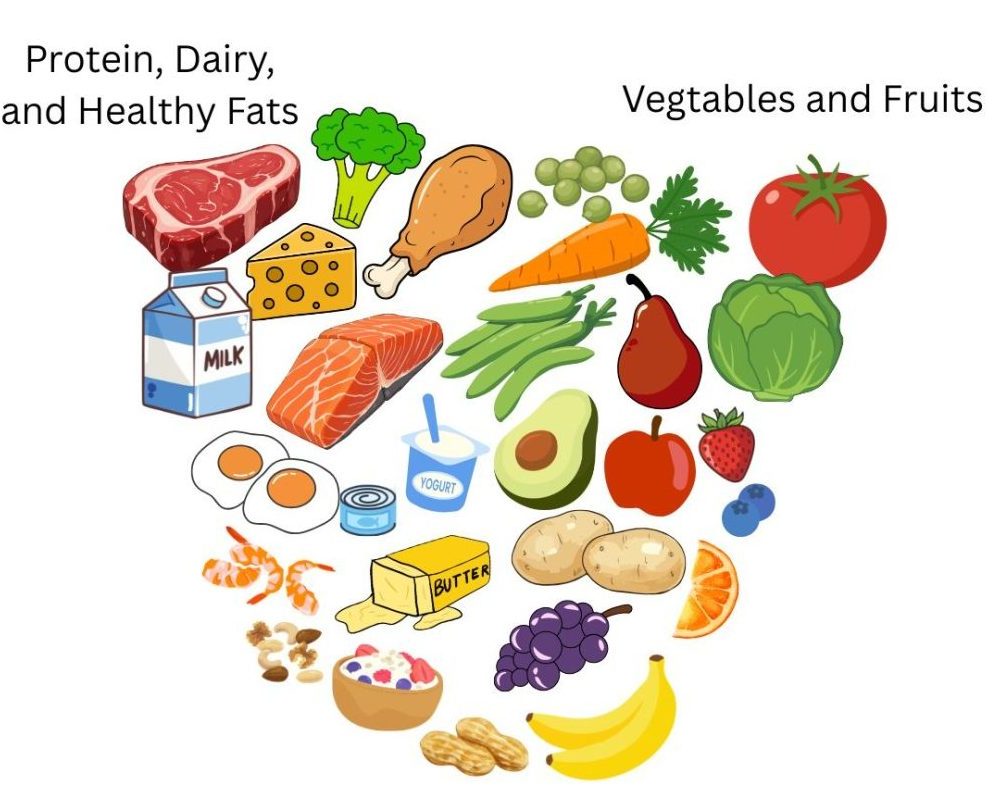
Recently, the United States Secretary of Health and Human Services, Robert Francis Kennedy Jnr. (RFK Jr.), released a new food pyramid that drastically differs from previous guidelines. The new food pyramid flips decades of federal nutrition advice, championing protein and healthy fats, while minimizing grains and processed foods. The change has sparked debate amongst experts, who warn that promoting red meat and saturated fats goes against established nutrition research, and supporters who believe the new guidelines could make a real difference for public health. “Our message is clear,” Kennedy says. “Eat real food.”
For more than thirty years, dietary guidelines have followed a relatively consistent structure. The 1992 food guide pyramid featured a wide base of grains below a second tier of fruits and vegetables, followed by dairy and protein, with fats and sweets at the narrow tip. This meant that the pyramid advised Americans to make carbohydrates the foundation of their diet, and encouraged them to eat sweets and fatty foods more sparingly. In 2011, the USDA replaced the pyramid with MyPlate, a simple plate-shaped visual that divided meals into four sections: half fruits and vegetables, about one quarter grains, one quarter protein, and a side of dairy.
RFK Jr.’s proposed pyramid is a striking departure from both past models. Practically the inverse of the 1992 Pyramid, the new pyramid places grains in the smallest category, while protein, dairy, healthy fats, fruits and vegetables become the largest. Kennedy argues that the changes are a necessary response to what he describes as a public health crisis, calling his new guideline the “most significant reset of federal nutrition policy in history.” Pointing to rising rates of obesity, diabetes, and heart disease, he claims that existing dietary guidelines have failed in preventing America’s “chronic disease epidemic.”
Kennedy’s guidelines prioritize whole rather than processed foods: protein in every meal, full-fat dairy with no added sugars, healthy fats from whole foods, whole forms of fruits and vegetables, as well as whole grains. They encourage Americans to limit refined carbohydrates, highly processed foods, added sugars, and artificial additives. Kennedy believes that more than 70% of American adults are overweight because of a diet that has “become reliant on highly processed foods.” He suggests that chemical additives have poisoned the American diet and criticizes the influence of food industries on past guidelines, saying policies prioritized profits over public health. “American households must prioritize whole, nutrient-dense foods and dramatically reduce highly processed foods,” Kennedy says. “This is how we Make America Healthy Again.”
While de-emphasizing processed foods, Kennedy’s pyramid focuses on protein and healthy fats. He argues that saturated fats have been unfairly demonized by outdated dietary guidelines. The pyramid promotes healthy fats like avocado, nuts, and dairy—rather than processed, low-fat alternatives that are, he insists, packed with sugar and other unhealthy artificial products. Kennedy claims these earlier, low-fat guidelines contributed to a rise in, rather than a reduction of, obesity and metabolic disease. “Protein and healthy fats are essential and were wrongly discouraged in prior dietary guidelines” Kennedy says. “We are ending the war on saturated fats.”
While research does support high-quality protein intake for satiety and maintaining muscle mass, the radical turns have brought criticism to the new pyramid. Christopher Garnder, a nutritionist at Stanford University, says that he is “very disappointed in the new pyramid that features red meat and saturated fat sources at the very top, as if that’s something to prioritize. It does go against decades and decades of evidence and research.” Until now, Americans have been told to avoid saturated fat. Multiple studies link high intake of saturated fats—like those found in red meat, butter, and full‑fat dairy—to increased levels of LDL (“bad”) cholesterol, a known contributor of heart diseases. The American Heart Association still recommends limiting saturated fat to 5–6% of total daily calories, despite Kennedy’s new policies.
If Kennedy’s food pyramid does become official, it won’t be another set of guidelines we can ignore. Federal dietary guidelines shape things like school lunches, SNAP benefits, and military meals, affecting millions of Americans. A shift toward Kennedy’s pyramid could mean more meat and dairy in government programs, raising both cost and environmental concerns. Experts remain sharply divided on whether the changes will make Americans healthier or worse off. One thing is clear: America’s food pyramid has been turned upside down, and no one can agree which way is up.