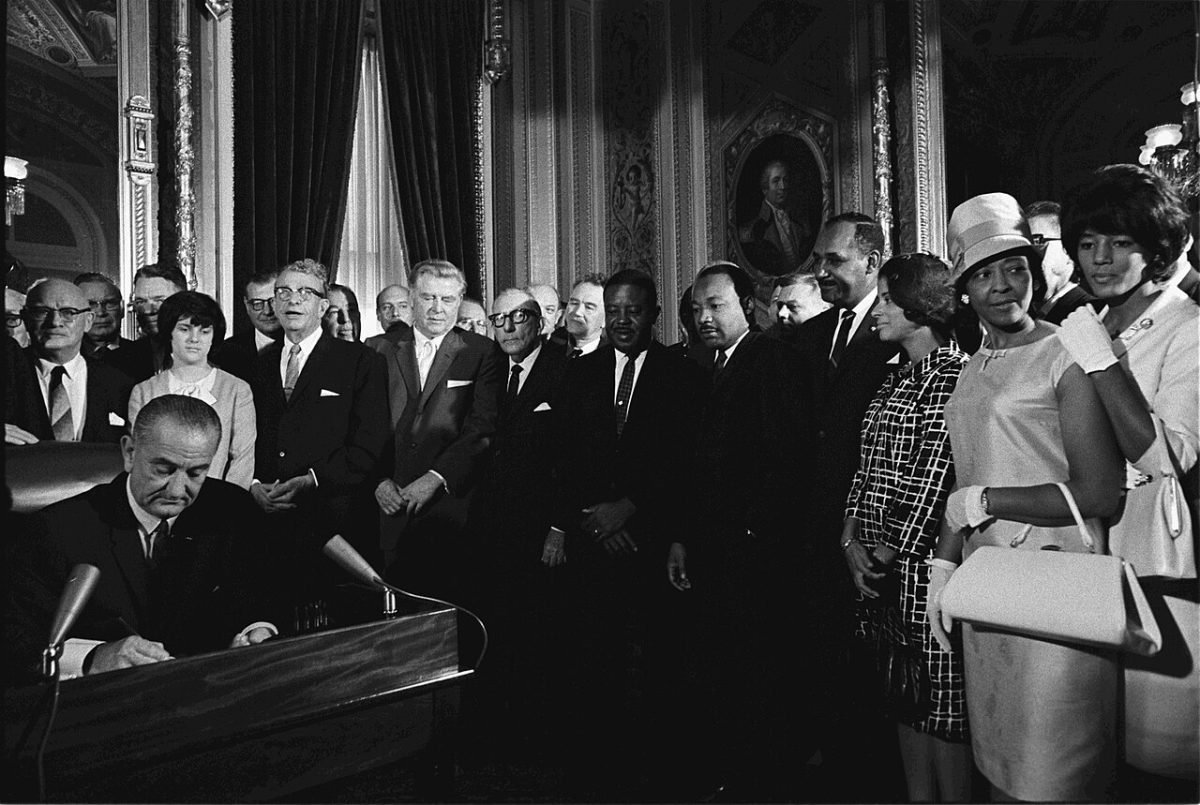
The right to vote has long been called the foundation of American democracy. Now, because the SAVE Act is pushing for strict proof-of-citizenship requirements, the country is once again faced with a heavy question: who gets to participate, and how difficult should it be? The SAVE act, also known as the Safeguard American Voter Eligibility Act, would require people to provide documentary proof of U.S. citizenship when registering to vote in federal elections. While the bill remains stalled in the Senate, President Donald Trump has also signed a separate executive order pushing stricter election rules.
In practical terms, the SAVE act means many voters would need documents such as a passport, a birth certificate, or another qualifying record that proves citizenship. One of the biggest points of confusion is identification. Many people assume a standard driver’s license or a REAL ID would be enough, but that is usually not true under the bill. Only Enhanced Driver’s Licenses issued by five states (Michigan, Minnesota, New York, Vermont, and Washington) satisfy the citizenship-proof requirement by themselves. For other voters, registering would mean tracking down extra paperwork.
Supporters say that extra steps are exactly the point. Republicans backing the measure argue that citizenship should be verified more directly before someone is added to the voter rolls. For example, Florida Governor Ron DeSantis claims the bill is a basic election-integrity safeguard and says it would strengthen public trust in elections. Trump has pushed hard for the legislation, saying, “[The SAVE act] supersedes everything else… It’s so good for our nation. Who would not have proof of citizenship? The only people who would not have that are people that want to cheat.” He later added, “We’ll never lose a race. For 50 years, we won’t lose a race.”
Critics, however, argue that the bill is trying to solve a problem that is already rare. That concern is backed by data often cited in the debate. The Brennan Center for Justice reported in 2024 that 21.3 million voting-age U.S. citizens do not have ready access to documentary proof of citizenship, and at least 3.8 million do not have those documents at all because they were lost, destroyed, or stolen. Those numbers have become key in the argument that a proof-of-citizenship requirement would challenge many legal voters, especially people who have changed names, moved frequently, or do not keep important records close at hand.
Additionally, the bill’s opponents also say the burden would not fall equally. People in rural areas may live far from election offices or records offices. Married women and others whose legal names differ from the names on birth certificates could face extra complications when trying to match their documents. Therefore, the controversy is not only about whether voters are citizens, but also about who has the time, money, and paperwork needed to prove it quickly. These kinds of practical documentation issues are a major reason the proposal has drawn so much opposition.
Even though the bill is not a law, it is still important from a political standpoint. The House passed it in February 2026, but it has struggled in the Senate, where Democrats have enough support to block it under current rules. AP News called the Senate debate “an unprecedented effort to hold the Senate floor and talk for days about a bill that they know won’t pass — an attempt to capture public attention on legislation requiring stricter voter registration rules” in an article published on March 17. In other words, the SAVE Act is both a policy proposal and a political message about what election debates may look like heading into November.
The issue became even more urgent on March 31, 2026, when Trump signed an executive order tightening parts of election administration, including restrictions on mail voting and a directive for federal agencies to help create lists of verified eligible voters. That order is separate from the SAVE Act, but it pushes in the same general direction of stricter rules, more federal pressure on election systems, and more conflict over who gets to shape voting access in the United States. Legal challenges are already being threatened against the order.
At its core, the SAVE Act is a bigger national argument. One side believes tighter rules are necessary to secure elections and restore confidence. The other believes democracy is safest when eligible citizens can register and vote without unnecessary barriers. That is why the debate over the SAVE Act has become bigger than one bill. It is really a debate over what kind of voting system Americans want: one focused first on stricter proof, or one focused first on broader access.